In 2026, reliable network connectivity is no longer a convenience but a necessity. Businesses depend on cloud applications, video conferencing, and AI tools that require fast, stable connections. When Wi-Fi falters or hardware breaks down, productivity stalls and customer satisfaction drops.
To keep operations running smoothly, companies must adopt advanced networking technologies and proactive hardware support. This post explores how Networking & Hardware Support in 2026: Wi‑Fi 7, SD‑WAN and proactive uptime strategies help businesses stay connected, secure, and efficient.
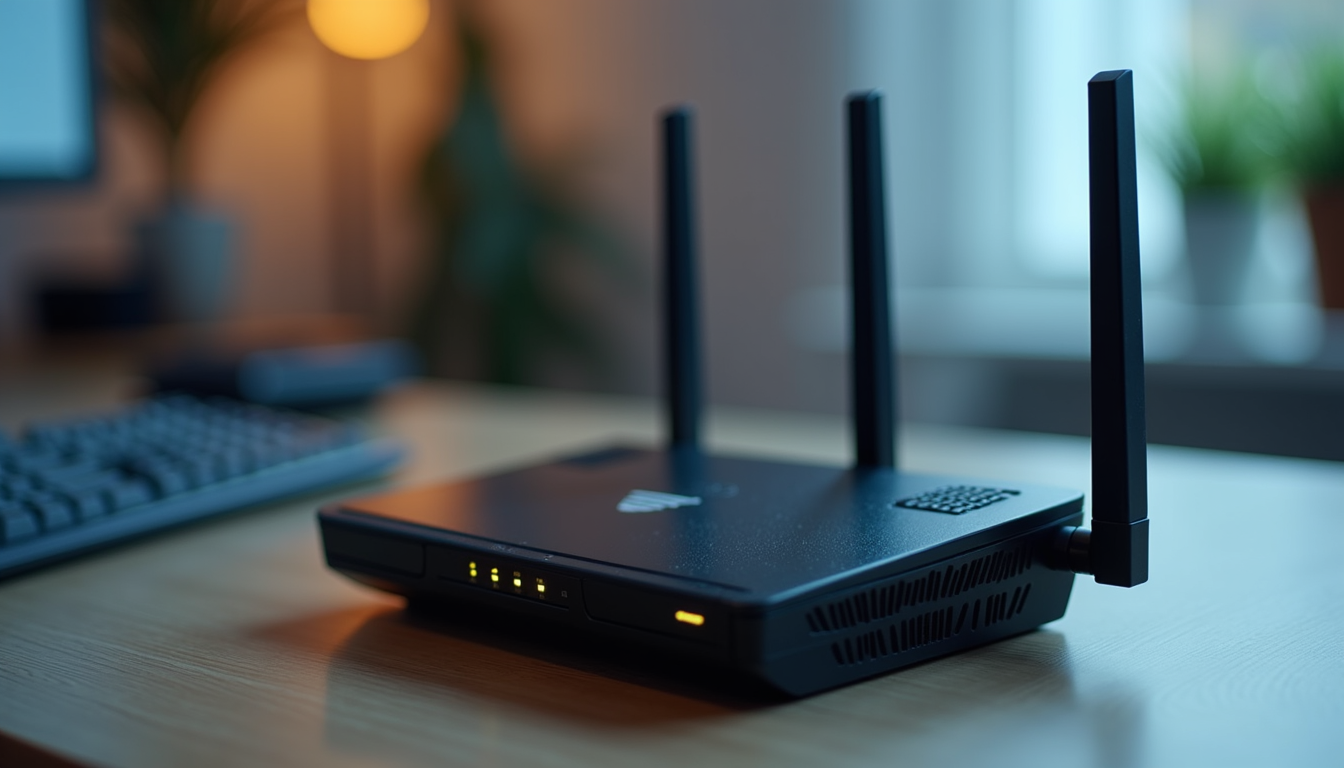
It covers key trends, practical support services, and the business benefits of future-proofing your network. Wi-Fi 7 router ready for high-speed connectivity Key Trends Shaping Business Networks in 2026 Wi-Fi 7 Readiness Wi-Fi 7 is the next step in wireless technology, offering much higher throughput and lower latency than previous standards.
It supports faster data rates up to 30 Gbps, which means video calls, cloud apps, and large file transfers happen without lag. Wi-Fi 7 also performs better in dense office environments where many devices compete for bandwidth. Businesses preparing for Wi-Fi 7 can expect: Improved user experience with seamless video and voice quality Support for more connected devices without slowdowns Enhanced security features built into the new standard SD-WAN Adoption Software-Defined Wide Area Network (SD-WAN) technology is transforming how businesses connect multiple locations and cloud services.
SD-WAN intelligently routes traffic based on application needs, network conditions, and security policies. This results in: Smarter use of bandwidth for critical cloud applications Increased reliability across branches and remote sites Simplified network management with centralized control By 2026, many organizations will rely on SD-WAN to ensure consistent performance and reduce downtime.
Network Automation Automation tools help IT teams quickly identify and fix network issues. Automated configuration and monitoring reduce human error and speed up troubleshooting. This means networks stay consistent and problems get resolved before they impact users. Automation benefits include: Faster detection of bottlenecks and failures Consistent device settings across all locations Reduced manual workload for IT staff What Effective Networking & Hardware Support Looks Like Network Assessment and Redesign A thorough network assessment maps out current coverage, bandwidth needs, and bottlenecks.
This data-driven approach replaces guesswork with precise planning. The result is a network design that matches actual usage patterns, including: Strategic placement of Wi-Fi 7 access points for optimal coverage Upgraded switches and routers to handle increased traffic Tailored configurations for different office layouts and device types Hardware Lifecycle Support Hardware failures cause unexpected downtime and lost productivity.
Proactive support keeps devices patched, healthy, and replaced on schedule. This includes: Regular updates and security patches for laptops, desktops, servers, and peripherals Monitoring hardware health to predict failures before they happen Planning refresh cycles to avoid surprise expenses Proactive Monitoring and Rapid Response Continuous monitoring of network and hardware components helps catch issues early.
When incidents occur, rapid response teams minimize downtime by addressing root causes, not just symptoms. This approach leads to: Fewer outages and faster recovery times Improved reliability for cloud apps and remote work Long-term fixes that prevent repeat problems Network operations center monitoring real-time network health Business Benefits of Upgrading Your Network Investing in Networking & Hardware Support in 2026: Wi‑Fi 7, SD‑WAN and proactive uptime delivers clear advantages: Reduced downtime means employees stay productive and customers receive uninterrupted service.
Better cloud app performance supports remote and hybrid work models, improving collaboration. Predictable hardware refresh cycles help control IT budgets and avoid emergency replacements. Stronger security protects sensitive data across all devices and locations. Companies that adopt these technologies and support models position themselves for growth and resilience in a connected world.
Taking the Next Step Upgrading to Wi-Fi 7, rolling out SD-WAN, and im