Every business runs on technology: whether it is a startup managing its first team or an established SME handling hundreds of daily transactions. But there is a significant difference between technology that simply exists and technology that actively supports growth. Smart IT infrastructure is the foundation that separates businesses that scale confidently from those that constantly firefight technical problems.
For Indian businesses, from Delhi-based startups to growing enterprises across Tier 1 and Tier 2 cities: building the right IT foundation is no longer optional. It is a direct business decision that affects productivity, security, customer experience, and long-term scalability. What Is Smart IT Infrastructure?
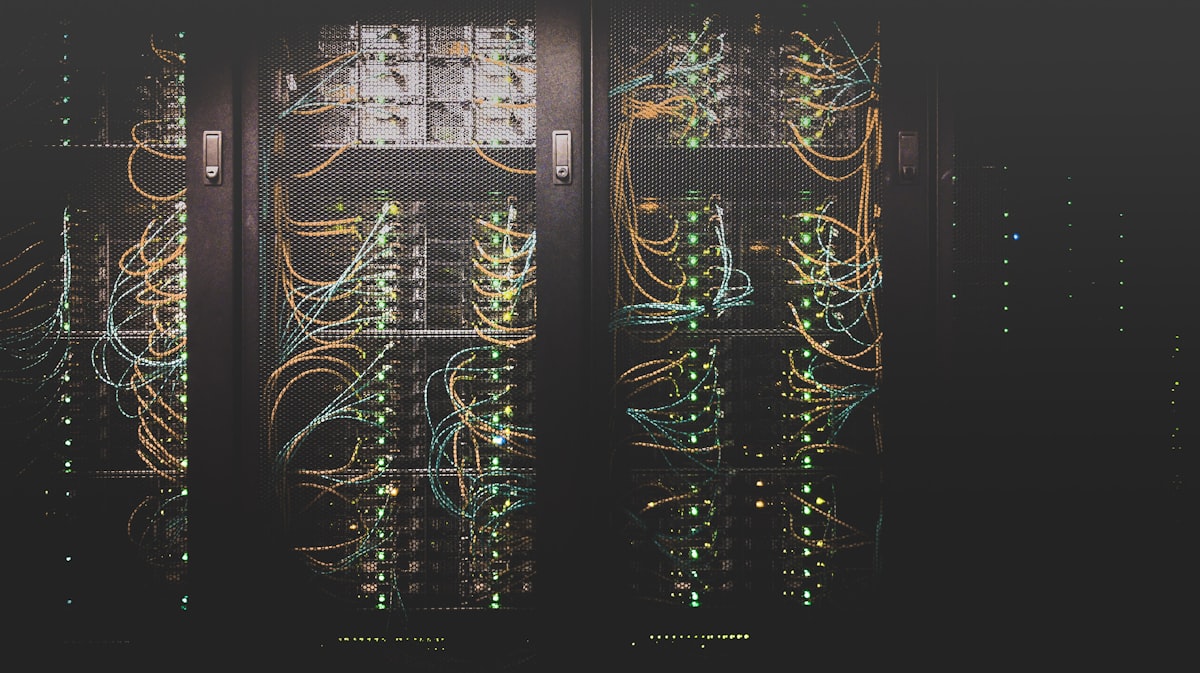
Smart IT infrastructure is not just about having the latest hardware or the fastest internet connection. It is about designing a technology environment that is reliable, secure, scalable, and aligned with how your business actually operates. A well-designed IT infrastructure typically includes: Structured networking: wired and wireless setups that support your team size and workflow Secure servers and data storage, on-premise, cloud, or hybrid depending on your needs Endpoint management: laptops, desktops, and mobile devices that are configured and protected Cybersecurity layers: firewalls, antivirus, access controls, and monitoring Backup and recovery systems: so your business data is never at risk When these components work together seamlessly, your team spends less time dealing with technical issues and more time doing the work that drives revenue.
How IT Infrastructure Directly Impacts Business Performance 1. Reduces Downtime and Operational Disruptions Unplanned downtime is one of the most expensive problems a business can face. Whether it is a server crash, a network failure, or a software conflict, every hour of downtime translates to lost productivity, missed customer interactions, and potential revenue loss.
Smart IT infrastructure is built with redundancy and monitoring in place: so issues are caught early and resolved before they become crises. 2. Enables Teams to Work More Efficiently When your IT systems are properly configured, your team does not waste time waiting for slow systems, dealing with connectivity issues, or working around broken tools.
Fast, reliable infrastructure means faster work, and faster work means better output. For growing businesses managing multiple departments, this efficiency compounds quickly. 3. Supports Remote and Hybrid Work Models The modern Indian business is no longer confined to a single office.
Teams work across locations, clients are spread across cities, and operations often run beyond traditional hours. Smart IT infrastructure: including VPNs, cloud access, and secure remote connectivity: ensures your team can work from anywhere without compromising security or performance. 4.
Protects Business Data and Customer Information Data breaches and cyberattacks are not just a concern for large corporations. SMEs and startups are increasingly targeted because they often lack proper security measures. A smart IT infrastructure includes layered cybersecurity, from firewalls and endpoint protection to access management and regular security audits: keeping your business data and your customers' information safe.
IT Infrastructure as a Growth Enabler Many business owners think of IT infrastructure as a cost: something to spend as little on as possible. This is a costly misconception. The right IT setup is an investment that pays back through: Faster onboarding of new team members with pre-configured systems Easier scaling: adding users, locations, or services without rebuilding from scratch Better customer experience, because your systems are always available and responsive Reduced IT emergencies: proactive monitoring catches problems before they escalate At Productive IT, we have seen firsthand how businesses transform when they move from reactive IT management to a proactive, structured infrastructure approach.
The difference is not just technical: it shows up in team morale, customer satisfaction, and business confidence. Common IT Infrastructure Mistakes Growing Businesses Make Understanding what not to do is just as important as knowing what to build. Here are the most common IT infrastructure mistakes we see in growing Indian businesses: Buying hardware without a plan: res