In 2026, your website is more than just a digital brochure. It acts as your top salesperson, your brand’s first impression, and a key trust checkpoint for visitors. Buyers expect websites to load instantly, offer personalized experiences, and clearly demonstrate credibility. With artificial intelligence advancing rapidly, users now compare your site to the best digital experiences they have encountered anywhere.
Meeting these expectations requires a fresh approach to website design and development. This post explores the key trends shaping websites in 2026, focusing on AI-assisted user experience, Core Web Vitals, accessibility, and conversion growth. It also outlines how to build websites that not only look great but also generate leads and improve search rankings.
AI-Assisted User Experience Drives Smarter Websites Artificial intelligence is transforming how websites interact with visitors. AI-assisted UX means smarter layouts, content personalization, and faster updates based on real user data. Smarter layouts : AI tools analyze visitor behavior and automatically adjust page elements to highlight the most relevant information.
For example, product pages can rearrange features or testimonials based on what similar users found helpful. Content personalization : AI can tailor content to individual visitors, showing offers, articles, or products that match their preferences or past interactions. This creates a more engaging experience that feels custom-made.
Faster iteration cycles : automated analytics provide real-time feedback on what works and what doesn’t. Designers and developers can quickly test new ideas and roll out improvements without long delays. By using AI to guide design decisions, websites become more intuitive and effective at guiding visitors toward desired actions.
Core Web Vitals Shape SEO and User Trust Google’s Core Web Vitals remain a critical factor in search rankings and user experience. These metrics focus on speed, responsiveness, and visual stability. Loading performance : Visitors expect pages to load in under 2 seconds. Optimizing images, minimizing code, and using fast hosting are essential.
Interactivity : Pages should respond quickly to user inputs like clicks or taps. Delays create frustration and increase bounce rates. Visual stability : Avoid layout shifts that cause buttons or text to jump unexpectedly. This builds trust and reduces accidental clicks. Sites that meet Core Web Vitals standards not only rank higher but also keep visitors engaged longer.
This directly supports lead generation and sales. Accessibility and Compliance Expand Reach and Reduce Risk Inclusive design is no longer optional. Websites must be accessible to people with disabilities and comply with legal standards such as the Americans with Disabilities Act (ADA).
Improved reach : Accessible sites welcome a broader audience, including users with visual, auditory, or motor impairments. Legal protection : Compliance reduces the risk of lawsuits and penalties related to accessibility violations. Better SEO : Search engines favor sites with clear structure, alt text, and semantic HTML, which also benefit accessibility.
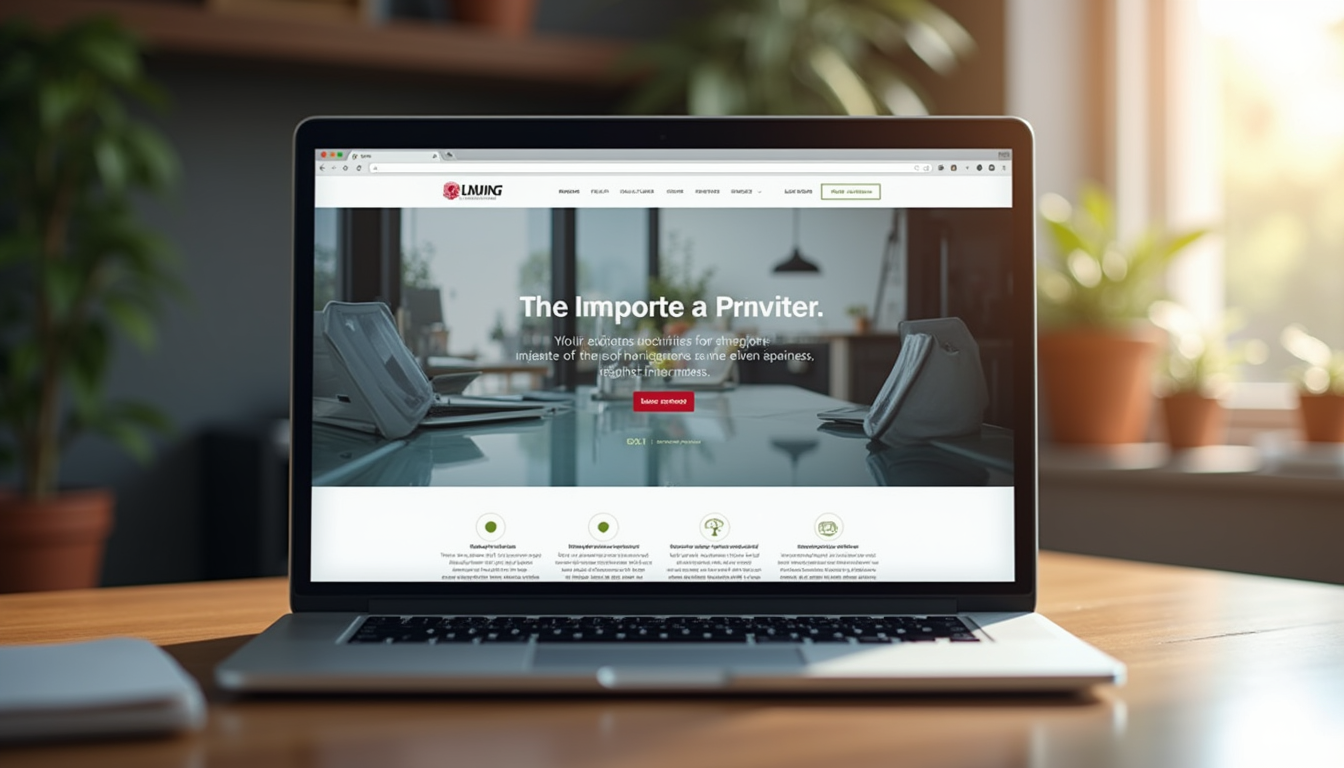
Examples include providing keyboard navigation, descriptive alt text for images, and sufficient color contrast. These features improve usability for everyone. Modern website homepage with fast loading and clear design How to Build Conversion-Focused Websites in 2026 Creating a website that drives business results requires a clear strategy and attention to detail.
Discovery That Maps to Business Outcomes Start by understanding your audience, offers, and sales funnel. Identify the key questions buyers have and design pages that answer them quickly. For example, a service page should clearly explain benefits, pricing, and next steps. Use calls to action (CTAs) that guide visitors toward contacting you or making a purchase.
Performance-First Development Speed is a feature, not an afterthought. Optimize images for fast loading, structure content for easy reading, and ensure smooth experiences on all devices, especially mobile. Use lazy loading and caching to improve performance further. SEO Foundations Baked In Structure your site with clear headings, internal links, and metadata.
This helps search engines understand your services and rank your pages when customers search with high intent. For example, use desc