Web development is undergoing a major transformation. In 2026, artificial intelligence no longer just assists developers; it actively writes code, finds bugs, and improves website performance with little human input. This shift changes how developers work, cuts down errors, and speeds up project delivery.
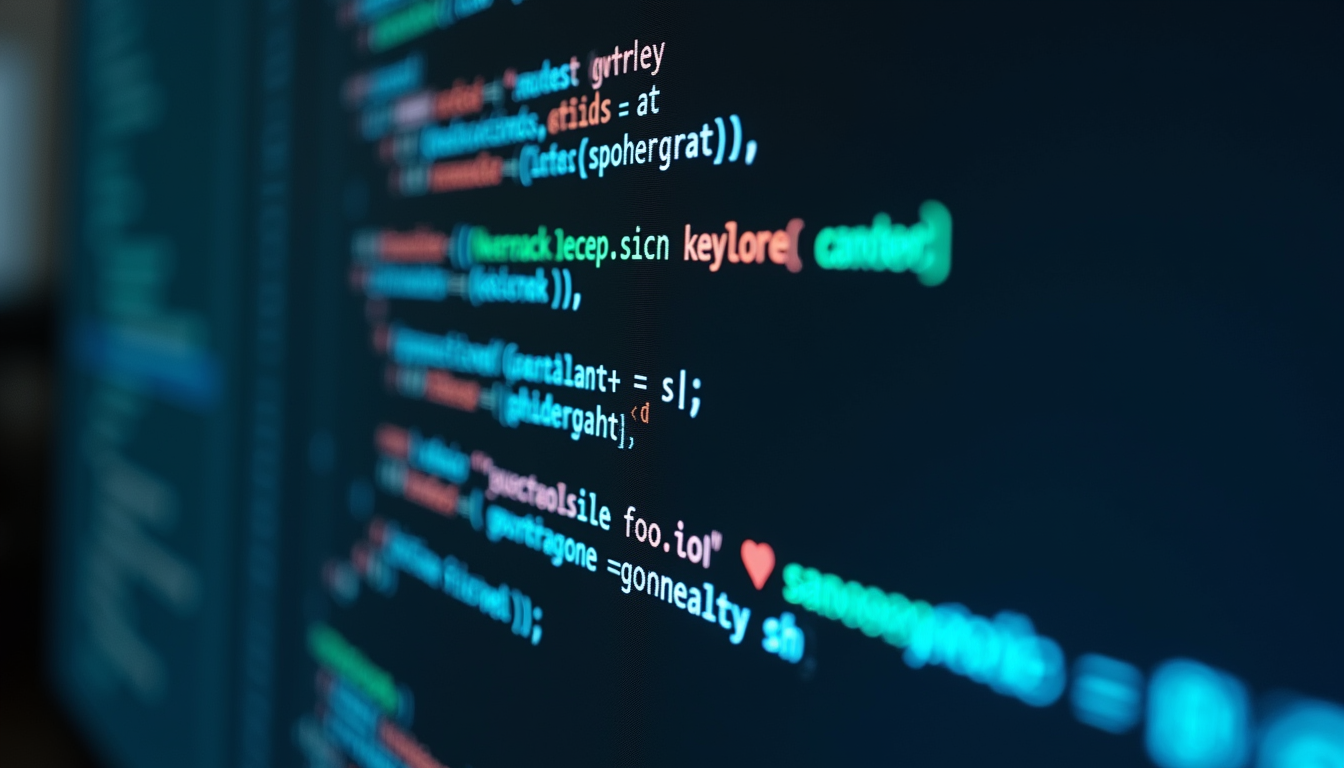
Learning to use AI tools effectively gives developers and businesses a clear edge in building modern websites and applications. machine-produced code snippets on a computer screen How AI Automates Code Generation automated code generation has moved far beyond simple autocomplete features.
Today’s tools can create entire modules or even full applications by analyzing project needs, existing code, and best practices. This automation saves time and reduces repetitive tasks. Natural Language to Code Developers can describe what they want in plain language, and AI translates that into working code.
For example, saying “Create a responsive navigation bar with dropdown menus” prompts the AI to generate the HTML, CSS, and JavaScript needed. This lowers the barrier for developers who may not be experts in every language or framework. Code Refactoring and Suggestions AI tools scan existing codebases to suggest improvements.
They identify redundant or inefficient code and recommend changes to improve readability and performance. This helps reduce technical debt and keeps code consistent across teams. Cross-Platform Code Generation Some AI platforms can convert code between frameworks or platforms. For instance, they might transform React web components into native mobile app code.
This capability saves developers from rewriting code manually for different devices, speeding up multi-platform development. Practical Example A startup recently used an AI code generator to build the front end of their e-commerce site. By feeding the AI design mockups and a list of features, the tool produced a working prototype in just a few days instead of weeks.
The developers then focused on adding unique business logic rather than building basic UI elements from scratch. AI’s Role in Performance Optimization Website speed and responsiveness remain critical for user experience and search rankings. AI helps optimize performance by analyzing code and user behavior to identify bottlenecks and suggest improvements.
Automated Performance Audits AI tools can run continuous audits on websites, checking load times, resource usage, and responsiveness. They provide actionable recommendations like compressing images, lazy loading content, or optimizing scripts. Predictive Resource Management By studying traffic patterns and user interactions, AI predicts when and where resources will be needed most.
This allows dynamic allocation of server power or caching strategies to maintain smooth performance during peak times. Error Detection and Bug Fixing automated debugging tools detect errors faster than manual testing. They can even suggest fixes or automatically patch common issues, reducing downtime and improving stability.
Dashboard displaying AI-driven website performance metrics Changing Developer Workflows AI is reshaping how developers approach projects. Instead of spending hours writing boilerplate code or hunting bugs, they can focus on creative problem-solving and unique features. Faster Prototyping : AI generates initial versions quickly, allowing teams to test ideas sooner.
Improved Collaboration : AI tools help maintain consistent code styles and standards across teams. Continuous Learning : Developers receive real-time suggestions and best practices, improving skills on the job. What This Means for Businesses Businesses adopting AI-driven web development can launch products faster and with fewer errors.
They can also maintain and update sites more efficiently, reducing long-term costs. Speed to Market : Faster development cycles mean quicker responses to market demands. Higher Quality : Automated testing and refactoring reduce bugs and improve user experience. Scalability : AI helps manage growing codebases and complex projects without proportional increases in team size.
Preparing for an AI-Enhanced Future To benefit from AI in web development, developers and businesses should: Explore AI coding tools and integrate them into workflows. Train teams to work alongside AI, focusing on tasks that require human creativity. Stay upd