How to choose influencer and creator partners on audience fit
Original Productive IT briefing · · Make the business move.
Follower count is the easiest number to see and one of the least useful on its own. Brand partnerships with creators, athletes or public figures work when the partner's audience overlaps with the people you need to reac…
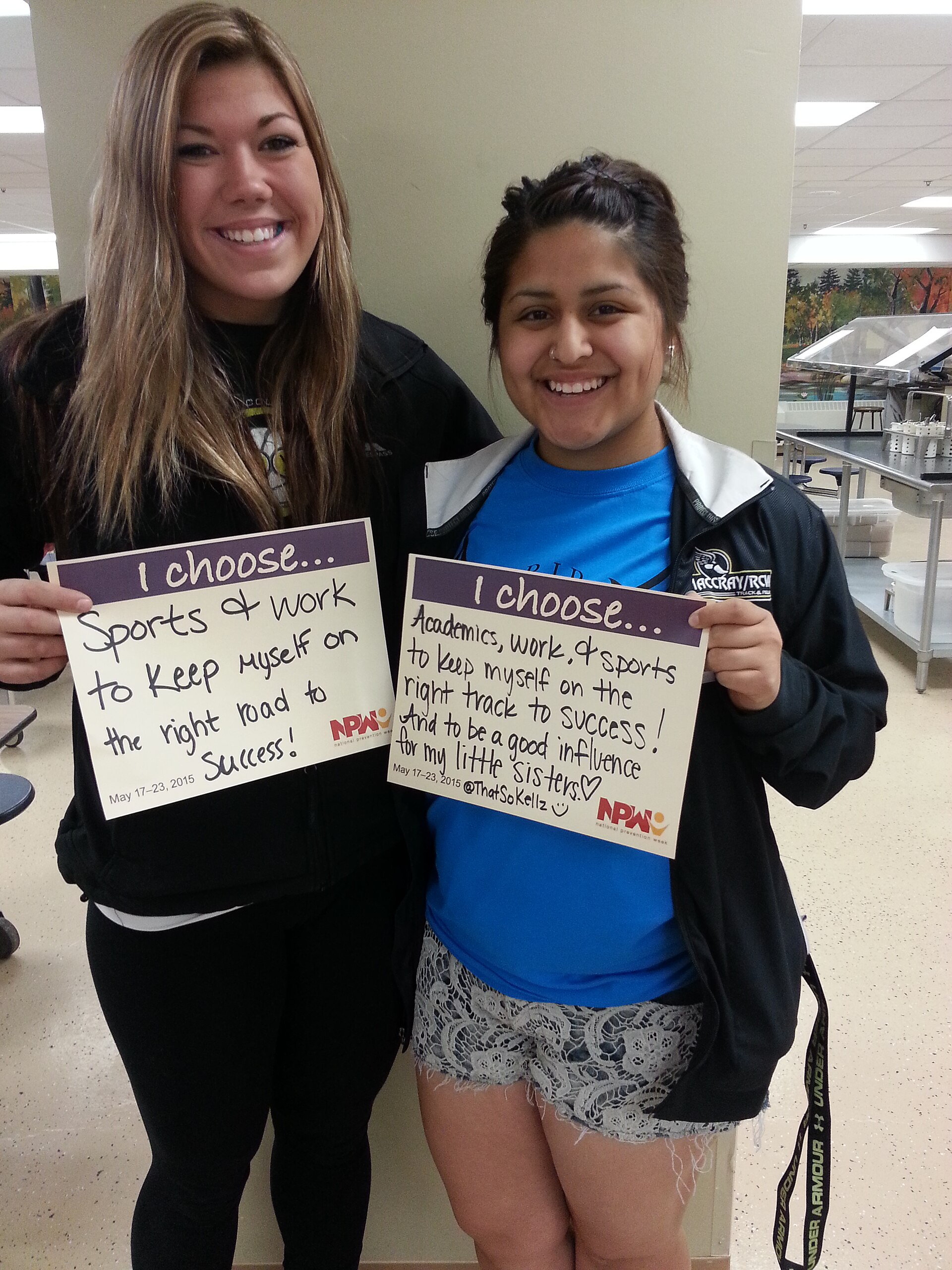
Image credit: SAMHSA from Rockville (via https://commons.wikimedia.org/wiki/File:I_choose...sports_and_work_to_keep_myself_on_the_right_road_to_success!_I_choose...academics,_work_and_sports_to_keep_myself_on_the_right_track_to_success!_And_to_be_a_good_influence_for_my_little_sisters._(18208118201).jpg)
Follower count is the easiest number to see and one of the least useful on its own. Brand partnerships with creators, athletes or public figures work when the partner's audience overlaps with the people you need to reach, and when their content style can carry your message credibly.
The audience fit test
Who follows them? Ask for audience demographics: location, age bands, gender split and language.
Who engages? Comments and saves reveal real interest better than likes.
What do they already talk about? A partner who naturally covers your category is more believable.
Where is the audience? Platform choice matters: short video, long video and professional networks behave differently.
Brand safety checks
Review several months of past content, public statements and previous brand deals. Agree on topics to avoid, disclosure requirements under advertising guidelines, and how issues will be handled if something goes wrong during the campaign.
Structuring the partnership
1. Define one primary objective: awareness, consideration, leads or sales. 2. Agree deliverables, formats, posting windows and usage rights in writing. 3. Share a brief with key messages, but leave room for the creator's own voice. 4. Set tracking: unique links, codes or landing pages per partner. 5. Plan a review after the first wave before committing to more.
Micro, mid-tier or celebrity?
Smaller creators often bring tighter communities and higher engagement; larger names bring reach and credibility for launches. Many campaigns mix both, using larger partners for the moment and smaller ones for sustained conversation.
FAQ
How do we measure creator campaign success? Tie each partner to the objective: reach and view-through for awareness, clicks and sign-ups for consideration, coded sales for conversion.
Do disclosures hurt performance? Clear disclosure is required and protects trust; audiences respond to honest, relevant recommendations.
Productive IT shapes sports, celebrity, influencer and event-led partnerships around audience fit and brand safety. Explore brand partnerships at productiveit.in.
Key questions
The audience fit test?
Who follows them? Ask for audience demographics: location, age bands, gender split and language. Who engages? Comments and saves reveal real interest better than likes. What do they already talk about? A partner who naturally covers your category is more believable. Where is the audience? Platform choice matters: shor…
Brand safety checks?
Review several months of past content, public statements and previous brand deals. Agree on topics to avoid, disclosure requirements under advertising guidelines, and how issues will be handled if something goes wrong during the campaign.
Structuring the partnership?
1. Define one primary objective: awareness, consideration, leads or sales. 2. Agree deliverables, formats, posting windows and usage rights in writing. 3. Share a brief with key messages, but leave room for the creator's own voice. 4. Set tracking: unique links, codes or landing pages per partner. 5. Plan a review aft…
Micro, mid-tier or celebrity?
Smaller creators often bring tighter communities and higher engagement; larger names bring reach and credibility for launches. Many campaigns mix both, using larger partners for the moment and smaller ones for sustained conversation.